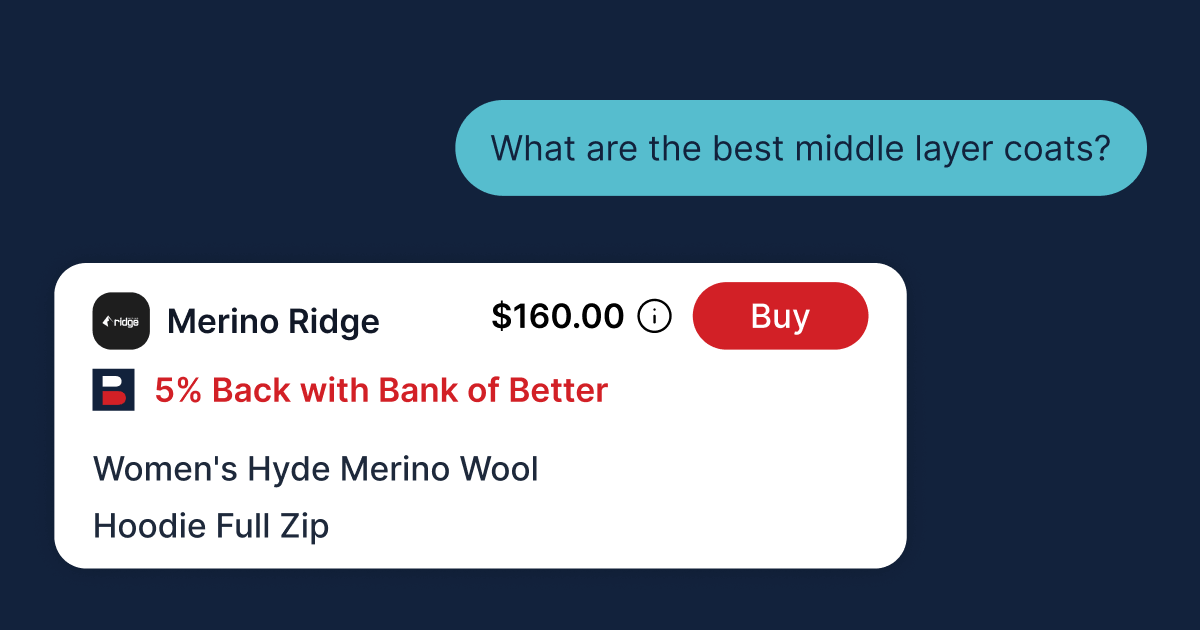


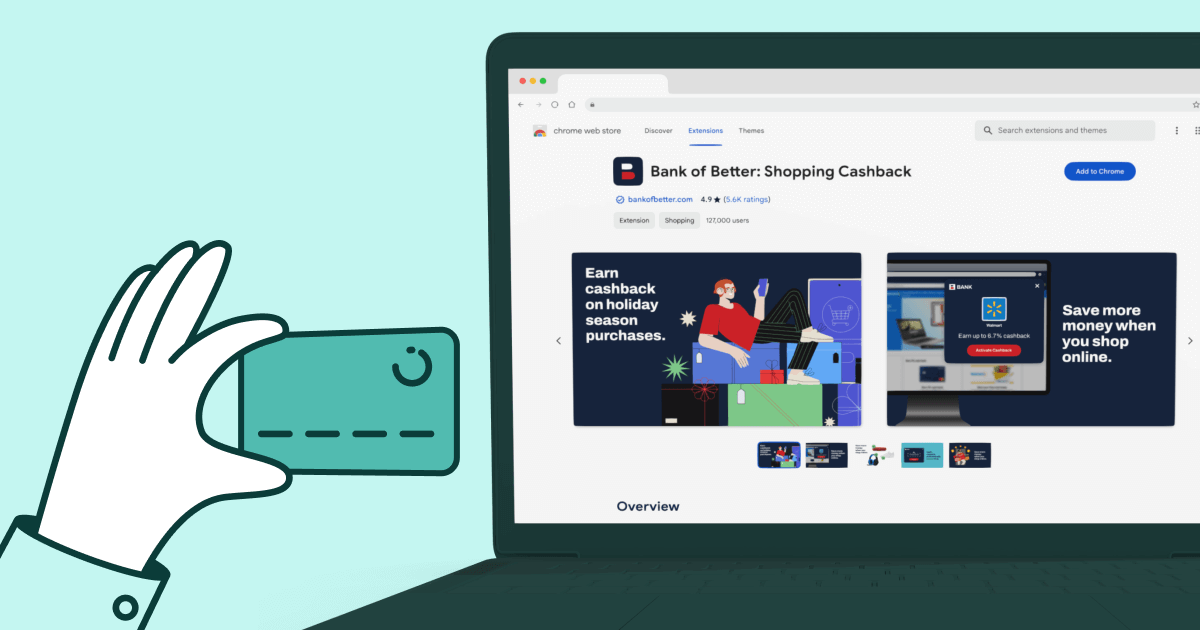

The shopping rewards space just got more competitive with the launch of Citi ShopSM, Citi’s new shopping rewards program. This marks the first major product launch in this category by a large US-based financial institution since Capital One Shopping in 2018.
With banks like Citi and RBC now delivering comparable rewards programs of their own, what does this shift mean for other large banks?
For starters, it validates the massive opportunity that exists for revenue generation and customer loyalty in the form of shopping rewards. Banks see shopping rewards programs as a vital part of their retention strategy moving forward. According to a recent whitepaper from the Boston Consulting Group, the old way of engaging consumers, “Loyalty 1.0,” is more transaction-based (e.g. points, miles) and may result in a disjointed customer experience.
The new way, “Loyalty 2.0,” means adding new loyalty capabilities and removing the barriers to earn and burn loyalty currency, thus delivering more value by engaging consumers seamlessly (for example, when they are shopping online.)
That’s why BCG recommends shopping rewards programs, a core component of Loyalty 2.0, as the right next step for most financial institutions looking to deliver greater customer value and more loyalty.
Why are banks offering shopping rewards programs?
Banks are offering shopping rewards programs to increase customer loyalty, engagement, and retention while creating new revenue opportunities. Cashback, coupons, and other shopping rewards give customers tangible value during everyday purchases, while merchant-funded rewards can help financial institutions generate incremental revenue. Shopping rewards can also help banks strengthen relationships by extending their value proposition beyond traditional banking products.
How Shopping Rewards Drive Bank Customer Retention and Revenue
Shopping rewards can strengthen customer retention by giving customers an ongoing reason to engage with their bank, while merchant-funded offers can create revenue associated with the shopping activity those rewards generate.
After the tumultuous economy of 2022 and bank collapses of 2023, consumers flocked to the stability of large, trusted financial institutions. But with high prices and an overall uncertain economic environment continuing into 2024, customers may still consider switching banks to maximize their own value.
As a result, customer retention among large banks has become critically important. Banks are pressed to drive more value, and thus, greater customer loyalty through compelling incentives like rewards programs.
Shopping rewards, in particular, are emerging as a differentiation point that banks can leverage to retain and delight customers.
For banks, the most effective shopping rewards programs go beyond simply offering discounts. They become an ongoing loyalty benefit that customers can use throughout their everyday shopping journey, increasing engagement and giving customers more reasons to choose and remain with the financial institution.
However, this also sets the bar higher for any rewards platform provider looking to power these programs. Banks have strict standards when it comes to compliance, security, and auditability. They need sophisticated, customizable platforms that can connect to their complex IT ecosystems.
What Should Banks Look for in a Shopping Rewards Platform?
Financial institutions should look for a shopping rewards platform that can integrate with existing systems, support flexible program configurations, provide transparent reporting, meet security and compliance requirements, and deliver a seamless customer experience. The platform should also support the bank's broader loyalty and engagement goals rather than functioning as a standalone rewards marketplace.
Delivering a Bank-Grade Shopping Rewards Platform
This is where Wildfire excels. Our shopping rewards platform was purpose-built with banks in mind from day one. We’re trusted by some of the largest banking organizations and companies in the world to simplify the complex affiliate ecosystem and streamline the delivery of shopping rewards to their customers. With the largest pool of online shopping rewards offers in the US, our platform drives loyalty, engagement, revenue, and new customer acquisition for our banking partners.
Wildfire has proven itself to be enterprise-grade, or as we like to call it, “bank-grade,” with capabilities such as:
- Flexibility and customization. Wildfire can accommodate bespoke or complex deployments typical of financial institutions, delivering much more security and flexibility than “one-size fits all” solutions.
- Custom reporting capabilities for transparency and audits. We maintain high standards of data quality and provide thorough reporting and auditable transaction logs for our clients’ rewards programs.
- Enhanced security protocols including PCI-DSS and SOC-2. Wildfire is PCI-DSS certified and SOC-2 compliant. And we never touch customer data - we tokenize and anonymize any transaction tracking information but banks ultimately own all their customer information.
- Bank-centric features like pay with points, one-click checkout, and encouraging payment with the banks’ preferred tender, increasing top-of-wallet behavior . As banks face feature competition, as well as revenue shortfalls due to regulatory changes, we deliver features that help banks stay top-of-wallet, reduce friction at checkout, and compete with alternative payment options.
How Can Shopping Rewards Support Banking Personalization?
Shopping rewards can give banks additional insight into customer interests and shopping behavior beyond traditional financial transaction data. When customers engage with merchants, offers, and shopping rewards, these signals can help financial institutions better understand customer preferences and deliver more relevant offers. Combining shopping insights with existing customer data can support more personalized experiences while giving customers greater value from their loyalty program.
The Future of Shopping Rewards Programs for Banks
Shopping rewards are becoming an increasingly important component of bank loyalty strategies because they combine customer value, engagement, retention, and incremental revenue. The rise of bank-backed shopping rewards programs means more competition. Shopping rewards programs are no longer a nice-to-have; they’re a need-to-have.
The good news is, shopping rewards programs have been proven to add value for banking customers while delivering incremental revenue for financial institutions. This trend also highlights the need for enterprise-grade rewards platforms that meet the strict standards of banks.